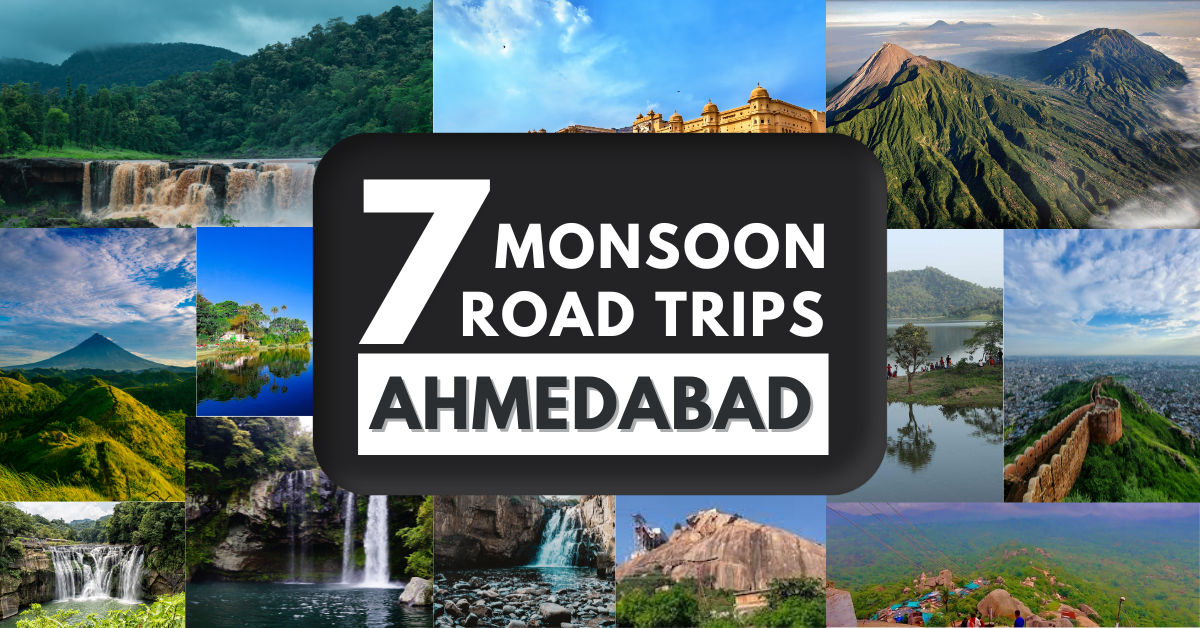
When the first monsoon showers hit Gujarat in late June, Ahmedabad transforms into the perfect gateway city for breathtaking monsoon road trips. The otherwise arid landscape of western India awakens with verdant hills, mist-laden lakes, roaring waterfalls, and colonial-era hill stations all within a comfortable drive from the commercial capital. This comprehensive guide curates the best monsoon getaways near Ahmedabad.
Saputara: Gujarat's Only Hill Station Paradise
Distance from Ahmedabad: 400 km | Drive Time: 8 hours | Best Monsoon Period: July to September
Saputara, nestled at 875 meters above sea level in the Sahyadri mountain range, transforms into a mystical wonderland during monsoon season. As Gujarat's only hill station, Saputara offers an unparalleled monsoon experience with its mist-covered valleys, cascading waterfalls, and lush tribal culture. The hill station becomes a photographer's paradise when monsoon clouds drift through the valleys, creating dramatic landscapes that rival any international destination.
Gira Waterfalls: The Crown Jewel of Saputara Monsoon Tourism
Located 49 kilometers from Saputara on the Saputara-Waghai road, Gira Waterfalls stands as one of Gujarat's most spectacular natural attractions during monsoon. The waterfall originates from the Kapri tributary and cascades 30 meters into the Ambika River, creating a thunderous display that can be heard from kilometers away. During peak monsoon (July-September), the waterfall reaches its maximum flow, with misty spray creating rainbow formations in the afternoon sunlight. The surrounding Dang forest comes alive with vibrant flora, making it a haven for nature photographers and adventure enthusiasts
Saputara Lake and Sunset Point: Monsoon Magic at its Best
The heart of Saputara, Saputara Lake, becomes even more enchanting during monsoon when it's surrounded by mist-covered hills and blooming flowers. Boating on the lake during light drizzles offers a surreal experience as you glide through calm waters while monsoon clouds roll over the surrounding peaks. Gandhi Shikhar (Sunset Point) provides breathtaking panoramic views of the Sahyadri ranges, especially magical during monsoon evenings when the sun breaks through storm clouds, painting the sky in brilliant hues. The Step Garden and Rose Garden nearby burst into full bloom during the rainy season, creating a natural amphitheater of colors.
Monsoon Activities and Cultural Experiences
Saputara's cable car rides during monsoon offer unique aerial views of mist-laden valleys and waterfalls. The Saputara Tribal Museum showcases the rich heritage of local Dangi tribes, whose colorful festivals coincide with the monsoon season. The annual Saputara Monsoon Festival (July 26 to August 17, 2025) features 150 artists performing traditional dances, folk carnival with giant puppets, and 154 Gujarati artists showcasing regional styles. Adventure activities include trekking to Governor Hill, zip-lining through misty forests, and exploring the Waghai Botanical Garden.
Mount Abu: Rajasthan's Misty Hill Station Marvel
Distance from Ahmedabad: 225 km | Drive Time: 4.5 hours | Best Monsoon Period: July to September
Mount Abu, rising 1,220 meters in the Aravalli Range, becomes Rajasthan's most romantic destination during monsoon with temperatures dropping below 20°C. The only hill station in the desert state, Mount Abu welcomes low-hanging clouds, mist-covered peaks, and cool mountain air that provides perfect respite from the scorching heat of the plains. The monsoon transforms Mount Abu into a green oasis with overflowing lakes, gushing waterfalls, and fog-wrapped valleys.
Nakki Lake: Monsoon Boating Paradise
Nakki Lake, the heart of Mount Abu, becomes even more enchanting during monsoon when surrounded by green hills and enhanced by gentle rainfall. The 2-kilometer circumference lake offers peaceful pedal boat rides during light drizzles, creating a romantic atmosphere as mist rises from the water surface. The lake's legendary origin – believed to be dug with nails (nakhi) by gods – adds mystical charm to monsoon visits. Lakeside cafés serve hot masala chai and pakoras while you watch peacocks dance in the rain among the surrounding gardens. The Toad Rock formation near the lake looks particularly striking during monsoon when lush vegetation frames this natural sculpture.
Guru Shikhar Peak: Monsoon Trek to Aravalli's Highest Point
At 1,722 meters, Guru Shikhar represents the highest point in the Aravalli Range and offers spectacular monsoon views. The trek to the peak during monsoon season provides glimpses of rain-washed Aravalli landscapes stretching to the horizon. The Dattatreya Temple at the summit becomes particularly serene during monsoon, with clouds often floating at eye level. Early morning visits reveal stunning sunrise views through monsoon clouds, while evening treks offer the chance to witness dramatic lightning displays over the valleys.
Dilwara Temples and Monsoon Spiritual Experience
The famous Dilwara Jain Temples, known for their exquisite marble carvings, take on enhanced beauty during monsoon when the cool, humid air makes temple visits more comfortable. The intricate marble work appears more vivid in the soft monsoon light, while the surrounding greenery provides a perfect backdrop for these 11th-13th century architectural marvels. The Vimal Vasahi and Luna Vasahi temples offer peaceful meditation spaces during rainy afternoons. The monsoon season also sees fewer crowds, allowing for more intimate spiritual experiences.
Polo Forest: Ancient Temples in Monsoon Wilderness
Distance from Ahmedabad: 160 km | Drive Time: 3.5 hours | Best Monsoon Period: August to December
Polo Forest, officially known as Vijaynagar Forest, emerges as one of Gujarat's best-kept monsoon secrets, spanning 400 square kilometers of dense deciduous forest in the Aravalli foothills. This archaeological wonder combines 10th-century temple ruins with pristine wilderness, creating a unique destination where history meets nature. During monsoon, the forest becomes a verdant paradise with the Harnav River flowing at full capacity, ancient temples draped in moss, and over 275 bird species creating a symphony in the rain-washed canopy.
Sharneshwar Temple Complex: Monsoon Archaeological Marvel
The Sharneshwar Shiva Temple, dating back to the 10th century, becomes particularly atmospheric during monsoon when mist shrouds the ancient stone carvings. The temple complex, built by the Parihar kings, features intricate sculptures that appear more vivid when washed by monsoon rains. Adjacent Jain temples and the Surya Mandir create a spiritual circuit through the forest, with moss-covered pathways leading between the ruins. The Lakhena na Dera temple offers panoramic views of the forest canopy during monsoon, when the entire landscape transforms into fifty shades of green.
Harnav River and Dam: Monsoon Water Activities Paradise
The Harnav River, mentioned in ancient Puranas, flows through Polo Forest creating crystal-clear pools perfect for monsoon picnics. The Harnav Dam becomes a photographer's paradise during monsoon when it overflows with rainwater from the surrounding hills. River activities include kayaking on calm sections, natural pool swimming, and waterfall photography where small cascades form over rocky outcrops. The Vanaj Dam nearby provides additional water recreation opportunities with scenic viewpoints ideal for monsoon camping.
Wildlife and Monsoon Trekking Adventures
Polo Forest hosts over 200 bird species during monsoon, including rare species like the Indian Pitta and various eagle species that become more active during the rainy season. Sloth bears, leopards, and hyenas inhabit the deeper forest areas, though they're rarely seen by visitors. Monsoon trekking routes include the 800-meter climb to Kalaliyo peak, forest trails alongside rivulets, and heritage walks connecting various temple sites. Local guides charge INR 200-300 and are essential for safe navigation during monsoon when trails can become slippery.
Udaipur: The Venice of the East in Monsoon Glory
Distance from Ahmedabad: 265 km | Drive Time: 5 hours | Best Monsoon Period: July to September
Udaipur transforms into India's most romantic city during monsoon when its famous lakes overflow, Aravalli hills turn emerald green, and the City of Lakes lives up to its name with shimmering water bodies reflecting magnificent palaces. Often called the "Venice of the East" Udaipur wears the rains like royalty—gracefully and with a touch of royal romance. The monsoon season brings temperatures of 25-30°C, misty mornings, glistening palaces, and that magical chai-in-the-rain vibe that makes every corner feel cinematic.
Lake Pichola: Monsoon Romance at its Peak
Lake Pichola, Udaipur's crown jewel, reaches its most photogenic form during monsoon when it overflows and perfectly reflects the City Palace and Jag Mandir like a mirror. Built in 1362 AD and spanning 3 miles in length, the lake offers unforgettable sunset boat rides during light drizzles when the water shimmers like liquid gold. The Ambrai Ghat becomes particularly magical during monsoon evenings when palace lights reflect in the rain-rippled waters. Jag Niwas (Lake Palace) and Jag Mandir (Lake Garden Palace) appear to float on misty waters, creating fairy-tale scenes that inspired countless Bollywood films.
Sajjangarh Monsoon Palace: Built for Rain Watching
Perched 944 meters above sea level, the Sajjangarh Monsoon Palace was literally built for watching monsoon clouds roll across the landscape. Built by Maharana Sajjan Singh in 1884, this hilltop palace offers panoramic views of Udaipur's lakes blanketed in rain and mist. The palace becomes particularly magical during and after fresh drizzles when you can see multiple lakes, the city spread below, and the Aravalli hills carpeted in monsoon greenery. Evening visits offer stunning sunset views as sunlight breaks through monsoon clouds, illuminating the entire Mewar region.
Fateh Sagar Lake and Saheliyon Ki Bari: Monsoon Garden Paradise
Fateh Sagar Lake, constructed in the 1680s, becomes a locals' favorite during monsoon with camel rides, speed boating, and lakeside food stalls offering hot pav bhaji and masala chai. The lake's three islands—including Nehru Park with its water jet fountain—become more accessible during monsoon when water levels are highest. Saheliyon Ki Bari (Garden of Maidens) transforms into a blooming paradise during monsoon with dancing fountains, lotus pools, and marble pavilions surrounded by vibrant flora. Peacocks perform mating dances in the rain among the garden's marble elephants and kiosks, creating unforgettable wildlife photography opportunities.
Wilson Hills: Hidden Gem with Spectacular Waterfalls
Distance from Ahmedabad: 365 km | Drive Time: 7 hours | Best Monsoon Period: June to September
Wilson Hills, situated at 750 meters elevation near Dharampur in Valsad district, stands as one of Gujarat's most underrated monsoon destinations. Located in the Pangarbari Wildlife Sanctuary within the Sahyadri mountain range, this small hill station is among the few places in the world from where you can glimpse both Arabian Sea views and mountain waterfalls. During monsoon, Wilson Hills transforms into a misty paradise with 150-foot waterfalls, dense forest trails, and panoramic cloud formations that rival any international hill station.
Shankar Waterfall: 150-Foot Monsoon Spectacle
Shankar Waterfall, located just 6 kilometers from Wilson Hills, cascades 150 feet down rocky cliffs during monsoon season, creating one of Gujarat's most spectacular natural displays. The waterfall flows strongest from July to September when monsoon rains fill the Sahyadri streams to capacity. The trek to the waterfall base involves crossing streams and navigating slippery rocks, making waterproof footwear essential. Local Adivasi children often serve as guides for INR 50, helping visitors safely reach the best viewing points and photography spots. The misty spray from the waterfall creates natural air conditioning, making it a perfect respite from humid coastal weather.
Wilson Hill Viewpoints: Panoramic Monsoon Vistas
Wilson Hills features six major viewpoints offering different perspectives of monsoon landscapes. Marble Chatri Point provides 360-degree views of rain-washed valleys and the distant Arabian Sea on clear monsoon days. Sunrise Point and Sunset Point offer dramatic sky views when monsoon clouds create spectacular light shows. The Steep Valley Point and Ozone Valley Point provide vertigo-inducing views of cloud-filled valleys below. During monsoon evenings, mist often rises from the valleys, creating an ethereal atmosphere perfect for romantic getaways.
Barumal Temple and Adventure Activities
The hilltop Barumal Temple (dedicated to Lord Shiva) becomes particularly serene during monsoon when mist often shrouds the ancient structure. The Lady Wilson Museum houses artifacts from the British era when Wilson Hills served as a summer retreat for colonial administrators. Bilpudi Twin Waterfalls and Ganesh Waterfalls near Makadban offer additional monsoon attractions for adventure seekers. Night camping during monsoon requires proper waterproof equipment, but rewards visitors with stunning star-gazing opportunities between cloud breaks.
Ambaji & Gabbar Hill: Monsoon Pilgrimage Paradise
Distance from Ahmedabad: 185 km | Drive Time: 4 hours | Best Monsoon Period: July to September
Ambaji, located at the Gujarat-Rajasthan border in the Banaskantha district, transforms into a spiritual paradise during monsoon when the Aravalli hills turn emerald green and blooming gulmohar trees create a natural canopy over pilgrimage paths. As one of the 51 Shakti Peethas, Ambaji attracts thousands of devotees during Shravan month (monsoon season) when the spiritual atmosphere combines with natural beauty. Gabbar Hill, just 4 kilometers west of Ambaji village, offers both religious significance and spectacular monsoon views.
Ambaji Temple: Monsoon Pilgrimage Experience
The Ambaji Temple, with its pristine white marble and golden dome, looks particularly stunning against monsoon clouds. The temple houses the sacred Beej Mantra instead of traditional idols, making it unique among Indian pilgrimage sites. During monsoon months (July-September), the temple follows special monsoon timings with morning aarti at 6:00 AM and extended evening hours to accommodate the increased pilgrim flow. The marble courtyard around the temple becomes refreshingly cool during monsoon rains, providing comfortable spaces for meditation and prayer. Special monsoon festivals during this period include Badarvi Poornima celebrations with grand fairs and cultural performances.
Gabbar Hill Ropeway and Monsoon Trek
Gabbar Hill, rising steeply above the plains, offers both ropeway access (5-minute ride) and a 999-step climbing path through monsoon-refreshed landscapes. The hilltop features the Akhand Jyoti (eternal flame) that can be seen from the main Ambaji temple at night, creating a mystical connection between the two sacred sites. The ropeway journey during monsoon provides aerial views of rain-washed Aravalli foothills, marble quarries, and lush green valleys stretching toward Mount Abu. The 30-45 minute climb on foot becomes more challenging during monsoon due to slippery steps, but rewards trekkers with panoramic views of cloud-covered hills and monsoon-fed streams.
Spiritual and Cultural Monsoon Activities
The footprints of the Goddess under a pipal tree at Gabbar Hill's summit become particularly significant during monsoon when devotees believe prayers are more readily answered. Kumbhariya Jain Temples, located 12 kilometers from Ambaji, feature exquisite architecture that looks stunning when framed by monsoon greenery. The Balaram Ambaji Wildlife Sanctuary comes alive during monsoon with increased wildlife activity and bird watching opportunities. Trisulia Ghat viewpoint, recently developed by the government, offers spectacular monsoon valley views and has become a popular photography spot for pilgrims.
Statue of Unity & Zarwani Falls: Engineering Marvel Meets Natural Wonder
Distance from Ahmedabad: 200 km | Drive Time: 4 hours | Best Monsoon Period: July to September
The Statue of Unity, standing 182 meters tall as the world's tallest statue, overlooks the Sardar Sarovar Reservoir at its most spectacular during monsoon season when the Narmada River flows at peak capacity. Located in Kevadiya, this engineering marvel dedicated to Sardar Vallabhbhai Patel becomes even more impressive when surrounded by monsoon-fed landscapes and overflowing reservoirs. The Shoolpaneshwar Wildlife Sanctuary nearby hosts the Zarwani Waterfall, which reaches its full 25-meter cascade glory during the rainy season.
Sardar Sarovar Dam: Monsoon Overflow Spectacle
The Sardar Sarovar Dam, India's second-largest concrete dam, reaches its Full Reservoir Level (FRL) of 138.68 meters typically in July-August, creating one of monsoon season's most spectacular sights. When the dam overflows, 23 of its 30 sluice gates open, releasing over 18 lakh cusecs of water and creating a thunderous display visible from multiple viewpoints. The mist and spray from the overflow fill the air, while viewpoint platforms provide safe vantage points for photography. During peak monsoon, the reservoir's 214-kilometer length creates an inland sea effect, with the Statue of Unity appearing to rise from endless waters.
Zarwani Waterfall: Hidden Gem in Shoolpaneshwar Sanctuary
Located 28 kilometers from the Statue of Unity within the Shoolpaneshwar Wildlife Sanctuary, Zarwani Waterfall cascades 25 meters into crystal-clear pools during monsoon season. The waterfall requires a 800-meter trek through streams and over rocks, with visitors crossing ankle-deep water multiple times to reach the main cascade. The Dhirkhadi Village access point charges INR 400 for cars and INR 270 for bikes as sanctuary entry fees. Local tribal children serve as guides, helping visitors navigate slippery rocks and pointing out small fish and crabs in the waterfall pools. The surrounding 608-square-kilometer sanctuary hosts sloth bears, leopards, barking deer, and over 200 bird species that become more active during monsoon.
Valley of Flowers and Monsoon Activities
The Valley of Flowers near the Statue of Unity blooms magnificently during monsoon, creating carpets of wildflowers across the Narmada valley. Helicopter rides over the statue and dam offer aerial views of monsoon landscapes, though they operate weather permitting. Jungle Safari in Khalwani Eco-Tourism includes 5-kilometer river rafting on monsoon-swollen waters. The Miyawaki Forest demonstrates rapid growth during monsoon season, showcasing how native species thrive with increased rainfall. Tent City accommodations provide comfortable monsoon stays with direct views of statue illumination against stormy skies.
Essential Monsoon Road Trip Planning Guide
Weather-Smart Monsoon Preparation
Gujarat's monsoon season typically runs from mid-June to mid-September, with peak rainfall in July-August. Southwest monsoon winds bring average annual rainfall of 800-1200mm, with southern and eastern regions receiving heavier showers. Sudden cloudbursts and river swelling can cause floods in low-lying areas near the Sabarmati, Tapi, and Narmada rivers, requiring cautious travel planning. Temperature ranges during monsoon stay comfortable at 25-30°C in hill stations, making it ideal for outdoor activities.
Accommodation and Booking Strategy
Advance booking becomes essential during peak monsoon season (July-August) when hill stations see maximum tourist influx. Weekend rates can increase by 40-60% during monsoon season, making weekday travel more economical. Resort locations should be chosen carefully—avoid river-adjacent properties during heavy rainfall periods. Cancellation policies should be flexible to account for weather-related travel disruptions.
The monsoon season transforms the landscape around Ahmedabad into a photographer's paradise and adventure enthusiast's dream destination. From the emerald forests of Polo to the misty heights of Mount Abu, from the roaring cascades of Zarwani to the spiritual serenity of Ambaji, each destination offers unique monsoon experiences that showcase western India's hidden natural beauty. Pack wisely, drive responsibly, and immerse yourself in the magical transformation that monsoon brings to Gujarat and its neighboring regions. The memories you create during these rain-kissed adventures will last long after the monsoon clouds have cleared, inspiring return visits to explore the ever-changing beauty of this remarkable region.
Professional Car Rental Services for Every Monsoon Destination
Ready to embark on your monsoon adventure? Make your journey seamless with Sai Travels Ahmedabad, your trusted partner for tempo traveller on rent in Ahmedabad, car rental in Ahmedabad for outstation trips and reliable Ahmedabad airport taxi service available 24×7. Choose from GPS-enabled sedans, SUVs, spacious 12- to 26-seater tempo travellers, or luxury Volvo coaches, all operated by experienced monsoon-trained drivers who know every scenic route from Polo Forest to Saputara. With over 14 years of proven service and 4.8-star customer ratings, Sai Travels ensures safe, comfortable, and memorable monsoon road trips.